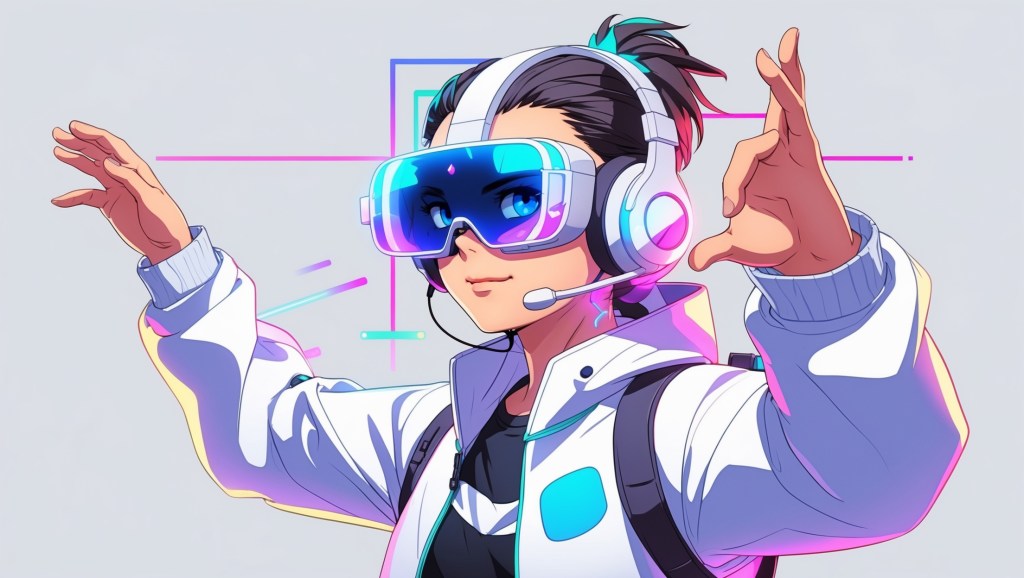
If you think VTubing has reached its peak, think again. The world of VTubers is just warming up, and by 2030, we’re likely to witness a transformation so massive that today’s streams will look like retro VHS tapes compared to what’s coming. With AI, AR, VR, and even phygital innovations (mixing physical and digital), the future of VTubing isn’t just about anime-inspired avatars anymore, it’s about redefining entertainment itself.
So, what does the next wave of VTuber streaming look like? And more importantly, how can creators adapt to stay ahead of the curve? Let’s dive into the bold predictions for VTubing in 2030, backed by real insights and industry shifts already taking shape.
Before We Predict: What VTubing Really Is?
For anyone new here, let’s get the basics out of the way. VTubing (short for Virtual YouTubing) is when a creator uses a 2D VTuber avatar or 3D VTuber avatar to represent themselves online instead of showing their real face. Powered by motion tracking, voice modulation, and real-time animation, this trend originated in Japan in the mid-2010s and has since gained widespread popularity worldwide.
Today, VTubers aren’t just entertainers on Twitch or YouTube, they’re influencers, musicians, educators, and full-fledged brands. With the streaming future evolving rapidly, VTubing is no longer a niche hobby, it’s becoming the front line of digital entertainment.
The Next Wave Is Coming Fast
By 2030, the VTuber scene will look nothing like it does today. From AI-driven VTuber makers to hyper-realistic 3D avatars and interactive fan-driven streams, the industry is on the verge of massive change. Those who adapt early will thrive; the rest might get left behind.
1. The Rise of Hyper-Realistic 3D VTuber Avatars
Back in 2020, most VTubers were using 2D VTuber avatars powered by Live2D. By 2025, more creators had shifted to 3D VTuber avatars, thanks to tools like VTube Studio, Animaze, and VRoid Studio. But by 2030, expect a leap into hyper-realism.
- Facial tracking will go beyond blend shapes, capturing micro-expressions that make avatars feel alive.
- Body tracking suits will become cheaper and wireless, meaning even indie VTubers can perform full concerts from their bedrooms.
- Studios will experiment with mixed reality, blending realistic avatars into live-action environments for hybrid streams.
For fans, this means watching a VTuber won’t feel like tuning into an animated overlay, it will be closer to interacting with a believable digital persona.
👉 How to adapt: Start experimenting with 3D models now. Even if you’re a 2D loyalist, learning the workflow of 3D VTuber avatar creation will prepare you for the inevitable shift.
2. AI-Driven VTuber Makers Will Redefine Entry Barriers
Becoming a VTuber used to mean hiring an artist, a rigger, and maybe even a sound engineer. Today, you can generate avatars with AI-powered VTuber makers, and by 2030, this will be the standard.
- Imagine typing: “Create a gothic witch VTuber with silver hair, neon blue eyes, and a 3D rig optimized for streaming”—and having a full model ready in minutes.
- AI won’t just design avatars but also voice modulation, lore generation, and script writing, helping creators stay consistent with their character identity.
- This lowers the entry barrier drastically, but it also means the market will be more saturated than ever.
👉 How to adapt: If everyone can make a decent avatar in seconds, your branding, storytelling, and audience retention will matter more than your model’s surface look. Focus on personality and community engagement.
3. VTuber Streams Will Become Interactive Worlds
In 2030, a VTuber stream won’t just be about watching—it will be about participating. Fans will step into interactive digital spaces where the line between gaming, streaming, and performing blurs.
- Think: Twitch chat that not only sends emotes but literally spawns items in your stream environment.
- Fans might “sit” in a virtual theater with other viewers, waving glowsticks as if they were at a real concert.
- Advanced platforms will allow fans to unlock custom storylines depending on their interaction level.
This is where audience retention becomes critical. Instead of relying on passive viewers, streams will thrive on active fan participation.
👉 How to adapt: Experiment with interactive stream overlays, Discord-based minigames, or platforms that allow fan-driven narratives. The future belongs to VTubers who can turn streams into experiences.
4. The Phygital Wave: Virtual Meets Physical
By 2030, the boundary between digital VTubers and physical products will blur into what’s being called the phygital trend.
- VTubers will sell 3D-printed figurines of their avatars, shipped directly to fans.
- Concerts will use holograms to project VTubers into real venues while streaming globally at the same time.
- Fans could wear smart AR glasses and see their favorite VTuber “standing” right in their room during a live broadcast.
This creates new opportunities for merchandising, sponsorships, and brand collaborations. Instead of just selling digital emotes or merch, VTubers will create hybrid experiences that feel real.
👉 How to adapt: Start thinking beyond just your avatar. Could your branding work as physical merch, AR experiences, or collectibles? Those who prepare now will dominate the future of VTuber monetization.
5. AI Co-Creators and Virtual Assistants
By 2030, a single VTuber won’t always be a “solo” act. Many will have AI-driven co-hosts—side characters who moderate chat, tell jokes, or even drive parts of the story.
- These AIs could take on the role of companion VTubers, reacting in real-time.
- Virtual assistants will manage scheduling, clip highlights, and even optimize your stream for audience retention with AI analytics.
- For fans, this means VTuber universes will expand into multi-character ecosystems instead of single personas.
👉 How to adapt: Consider how AI companions could enhance your VTuber identity. Instead of fearing automation, use it to scale your creative output.
6. The Streaming Future: Platforms Will Evolve (or Die)
By 2030, the VTuber community won’t just rely on Twitch and YouTube. With the streaming future shifting rapidly, new platforms tailored to VTuber streaming will rise.
- Expect VTuber-exclusive platforms that support real-time avatar rendering and interactive features natively.
- Platforms like TikTok LIVE and Kick may evolve to prioritize short-form VTuber content, blending streaming with viral snippets.
- Traditional platforms that fail to adapt may lose VTuber creators entirely.
👉 How to adapt: Don’t tie yourself to just one platform. Build a multi-platform presence and experiment with emerging spaces early—you never know which will dominate in 2030.
7. Global VTubing Explosion
While Japan birthed the VTubing phenomenon, the future is global. By 2030, we’ll see VTubers dominating in multiple languages, targeting niche communities across the world.
- Spanish-speaking VTubers are already on the rise. By 2030, expect massive fanbases in Latin America, Europe, and Southeast Asia.
- Regional avatars will blend cultural aesthetics with anime-inspired design.
- AI-powered live translations will remove language barriers, meaning your VTuber stream could attract fans worldwide, in real-time.
👉 How to adapt: Don’t limit yourself to one language or region. Consider multi-lingual branding or AI subtitle integrations for your streams.
8. The Power of Lore and Storytelling
If AI and VTuber makers make avatars easy to create, what keeps fans hooked? Storytelling.
By 2030, VTubers won’t just be streamers—they’ll be world-builders. Fans will want ongoing sagas, character arcs, and meaningful lore. Think of it like following a favorite anime series, but one that unfolds live in a stream.
- Some VTubers will even create shared universes, where multiple creators’ avatars interact across crossover storylines.
- Fan-driven narratives will shape where the story goes, making the community part of the creative process
- This makes audience retention more about emotional investment than casual entertainment.
👉 How to adapt: Start building lore today. Even a simple backstory or recurring theme can evolve into a long-running narrative your fans latch onto.
9. VTubing as Mainstream Entertainment
By 2030, VTubers won’t just be internet streamers, they’ll be mainstream celebrities.
- Expect to see VTubers starring in movies, appearing in TV shows, or even replacing influencers in brand campaigns.
- Music industry tie-ins will grow, with VTuber idols topping global charts.
- Fans won’t distinguish between “digital” and “real” performers—the future of VTubing will merge seamlessly with pop culture.
👉 How to adapt: Position yourself not just as a streamer, but as an entertainer, artist, and brand. Think beyond Twitch metrics—aim for cross-media relevance.
10. The Human Element Will Still Matter Most
With all the talk about AI, automation, and hyper-realism, one prediction stands firm: VTubing is still about people.
Fans don’t just tune in for flashy avatars, they tune in for the person behind it, their humor, their struggles, their growth. Even in 2030, authenticity will be the currency of audience retention.
👉 How to adapt: No matter how advanced your avatar or tools, stay connected to your community. Your personality, values, and interactions will always set you apart.
Final Thoughts: Are You Ready for the VTubing Revolution?
The future of VTubing in 2030 is thrilling, immersive, and fiercely competitive. 3D VTuber avatars, AI-powered VTuber makers, interactive streams, and phygital experiences will redefine how fans connect with creators. Yet, amid all innovation, the core of success remains the human element—your personality, creativity, and ability to engage your audience. VTubing isn’t just about flashy avatars or tech upgrades; it’s about building genuine communities and telling stories that resonate. Adapt early, experiment boldly, and stay authentic—those who do will ride the next wave, while others risk being left behind.


 VtuberLab
Leave a comment