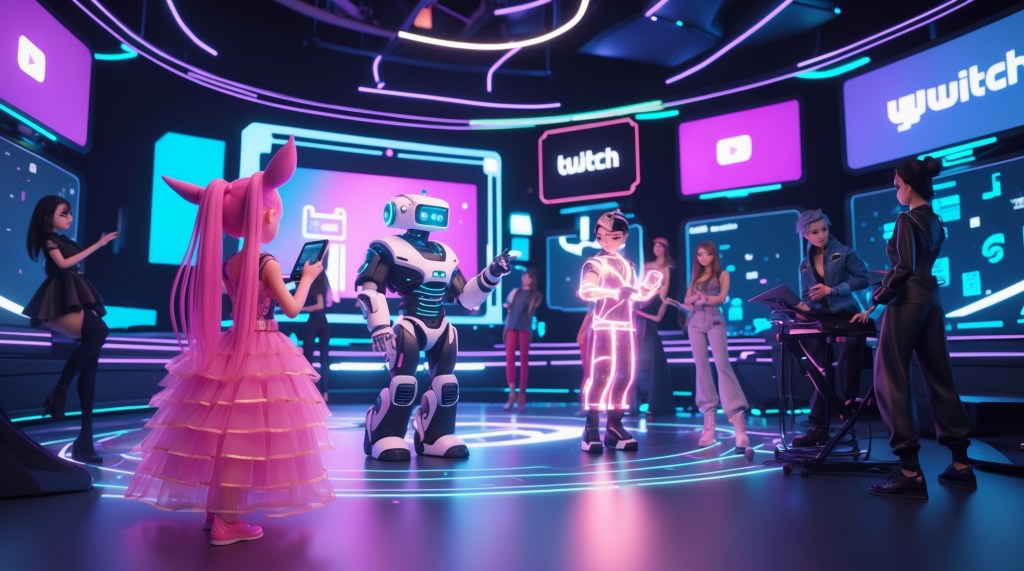
In the digital world, change is the only constant. From viral dances to faceless storytelling, content creation has come a long way. And now, a new wave is sweeping across YouTube, Twitch, and TikTok, Virtual YouTubers (or VTubers). Whether it’s a cute anime character live-streaming horror games or a mysterious, robotic 3D avatar hosting a podcast, VTubing has transformed from niche fandom to mainstream movement.
But what’s driving this surge in VTubers? Why are thousands around the globe swapping webcams for VTuber avatars, embracing digital personas, and stepping into the metaverse spotlight? Let’s dive into the phenomenon, break down the trends, and understand why everyone’s becoming a Virtual YouTuber.
What Is a Virtual YouTuber (VTuber)?
A Virtual YouTuber, or VTuber, is a content creator who uses a virtual avatar — often stylized in 2D or 3D, to engage with audiences. Instead of showing their real face on camera, these creators stream, vlog, sing, or review games using animated characters that mirror their movements and expressions in real-time.
Originally born in Japan’s anime-driven culture, VTubing has exploded globally. Think of VTubing as cosplay meets motion capture meets livestreaming.
Popular examples?
- Kizuna AI, the OG VTuber who started it all in 2016. She pioneered the entire VTuber movement with charm and innovation. As a result, she opened the floodgates for a new genre of content creators.
- Gawr Gura, the adorable shark girl who became a YouTube sensation. She quickly became the most subscribed VTuber by blending humor with wholesome energy. Consequently, she built a massive global fanbase that adores her quirky personality.
- CodeMiko, a tech-savvy VTuber pushing the boundaries of avatar realism. She uses advanced motion capture to create an interactive, fourth-wall-breaking experience. Thus, she redefined what it means to blend technology with live entertainment.
- Ironmouse, the high-energy, demon queen VTuber known for her humor and Twitch dominance. She brings unmatched energy and witty banter to every stream. As a result, she became one of the most-watched female streamers on Twitch.
- Shylily, the orca-themed VTuber with a lovable personality and explosive growth on Twitch. She charms her audience with a perfect mix of chaos and cuteness. Therefore, she continues to ride a wave of popularity across streaming platforms.
Now in 2025, we’re seeing independent creators, musicians, teachers, and even comedians embrace VTubing — each crafting their own VTuber avatar to entertain and express in the virtual realm.
Why Is Everyone Becoming A Virtual YouTuber?
Here’s what’s fueling the fire:
1. Anonymity is Empowering
Not everyone’s comfortable in front of a camera. For many, the idea of being judged for their looks, age, or gender can be paralyzing. VTubers bypass that anxiety by putting forward digital personas that represent who they feel they are.
This layer of separation also empowers:
- Introverts to be expressive
- Women and LGBTQ+ creators to avoid harassment
- Shy storytellers to find their voice without physical exposure
In short: VTubing levels the playing field.
2. The Rise of 3D Avatars and Easy Tools
Ten years ago, creating a 3D model of yourself required expensive software and a skilled animator. Now? You can build a high-quality VTuber avatar in minutes using platforms like: VTube Studio, Luppet, VRoid Studio, Animaze, and FaceRig, anyone can design a high-quality VTuber avatar in minutes. With just a webcam and facial tracking, creators bring their digital selves to life—no tech degree required. Moreover, new startups now offer custom avatars based on a single photo or simple preferences. As a result, the barrier to entry has dropped dramatically, empowering more creators to step into the virtual spotlight with ease.
3. Metaverse Influence
The metaverse is rapidly shaping how we connect, create, and express ourselves. As daily life shifts further into digital spaces—whether through gaming, remote work, or even virtual dating—having a recognizable digital persona is no longer just a trend, but a growing necessity. VTubers are at the forefront of this cultural evolution, seamlessly blending entertainment with identity. Metaverse influencers are already hosting virtual concerts, running online classrooms, and starring in 3D shopping events. In this landscape, a VTube channel is more than content, it’s the foundation of a future-facing digital brand.
Ultimately, VTubing offers a glimpse into how we’ll communicate, influence, and even live in our increasingly virtual world.
From Subculture to Mainstream: VTuber Trends in 2025
VTubing in 2025 looks very different than it did even two years ago. Let’s unpack the major trends:
1. Cross-Platform Expansion
VTubers are no longer confined to YouTube. In 2025, you’ll find them:
- Hosting TikTok Lives: They engage fans in bite-sized, high-energy streams, often going viral through short, shareable content.
- Running Twitch marathons: VTubers now dominate Twitch with hours-long streams full of gaming, chatting, and wild antics that keep viewers hooked.
- Leading Twitter Spaces (with animated profiles): Even in audio chats, they maintain their virtual presence through dynamic avatars and fan interactions.
- Appearing in AR ads or NFTs: Brands collaborate with VTubers to create immersive AR campaigns and collectible NFTs, merging fandom with tech.
- Dancing in Roblox and Fortnite collabs: VTubers team up with gaming giants, appearing as skins or hosts in virtual concerts and metaverse events.
The term “Virtual YouTuber” may soon evolve into “Virtual Influencer” — because the VTube ecosystem is everywhere.
2. Virtual Musicians & Performers
VTuber concerts are drawing massive crowds, with some topping over a million live viewers. Artists like K/DA, Ado, and Hoshimachi Suisei are redefining music performance by combining motion capture, vocal talent, and cinematic VFX. In 2025, the virtual music scene includes DJs, rappers, idols, and even animated metal bands performing in fully immersive virtual venues. With accessible tools like Unreal Engine, creators can produce high-quality music videos entirely with their 3D avatars—no physical stage or expensive set needed. This shift allows for boundless creativity and performance freedom, giving rise to a new genre of artists born entirely in the digital world.
3. Brands Are on Board
Big-name brands aren’t just watching, they’re actively investing in the VTuber wave. McDonald’s has hosted virtual mascot livestreams, while luxury fashion labels have tapped VTubers to model digital collections on futuristic runways. In 2025, it’s common to see corporate VTuber mascots engaging audiences on social media, in games, and across the metaverse. These digital personas are relatable, visually striking, and operate 24/7—making them powerful marketing tools. As a result, VTubers have evolved from niche creators into full-fledged metaverse influencers with commercial appeal. For brands looking to connect with Gen Z and beyond, partnering with VTubers offers reach, relevance, and a futuristic edge.
Who’s Becoming a VTuber?
Pretty much everyone. But here are some typical creator profiles.
Aspiring Creators: They dream of becoming YouTubers but feel intimidated by the camera. VTubing gives them a shot at stardom without the fear.
Cosplayers & Roleplayers: They love crafting characters and stories — and VTube lets them bring those characters to life, 24/7
Educators & Coaches: In e-learning, 3D avatars can make dry subjects fun. Teachers now host interactive lessons with anime-style personas.
Digital Artists: They design their own avatars, backgrounds, and overlays — merging art and storytelling in one creative package.
Professionals Seeking Side Hustles: Even accountants and marketers are turning to VTubing as a passion project, podcast, or niche hobby.
The takeaway? You don’t need to be a gamer or anime lover. VTubing is for anyone with a voice and a vision.
The Psychology of Virtual Personas
One of the deeper reasons behind the explosive rise of Virtual YouTubers lies in the psychology of digital identity, specifically, the concept known as the Proteus Effect. This phenomenon describes how individuals often change their behavior based on the avatars they embody online. Simply put, people tend to act more confidently, creatively, or even courageously when they step into a digital persona.
For example, someone shy or reserved in real life may transform into a bold, witty VTuber—whether that’s a playful cat-girl, a cyber warrior, or a fantastical creature. This isn’t about deception; rather, it’s a form of creative liberation. The avatar becomes a mask that empowers people to explore sides of themselves that may otherwise stay hidden.
Additionally, as mental health awareness grows, many find VTubing to be a therapeutic outlet. It provides a safe, judgment-free space where creators can perform, share their thoughts, vent frustrations, and build a community. For many, VTubing is not just entertainment, it’s a way to reclaim control, boost self-esteem, and find belonging in a world that can often feel isolating.
VTubing by the Numbers (2025 Edition)
Let’s look at some mind-blowing data:
- Over 42,000 active VTuber channels exist globally. Creators worldwide are launching new avatars every day. This growing community fuels fresh content and innovation nonstop.
- Top VTubers earn over $1 million a year through donations, brand deals, and merch. They actively engage fans and build loyal followings to boost their income. Their success inspires many aspiring VTubers to pursue this career path
- The global VTuber market size is projected to hit $3.5 billion by 2026. Companies are investing heavily in technology and marketing to capture this booming industry. This rapid growth signals huge opportunities for creators and brands alike.
- 75% of Gen Z report following at least one virtual influencer. Young audiences eagerly consume virtual content across platforms. This strong engagement shapes future trends in entertainment and advertising.
- VTuber search interest has risen by 230% year-over-year in the U.S. Fans are increasingly curious and eager to discover new VTuber talent. This surge reflects the mainstream acceptance of virtual creators.
Safe to say, this isn’t a passing trend. VTubing is reshaping how we connect, entertain, and express ourselves online. The movement shows every sign of long-term staying power.
Final Thoughts
At its core, the VTuber phenomenon isn’t just about avatars or animation. It’s about people reclaiming control over how they’re seen and heard online. In a time when deepfakes, filters, and algorithmic feeds dominate, VTubing is oddly authentic. It’s fiction as truth. Performance as personality. A digital mask that reveals more than it hides. So, if you’ve ever hesitated to go live, worried about how you look, or dreamed of creating without judgment, maybe it’s your time to shine, virtually. Because in 2025, being a Virtual YouTuber isn’t weird, it’s wonderful.


 VtuberLab
Leave a comment